
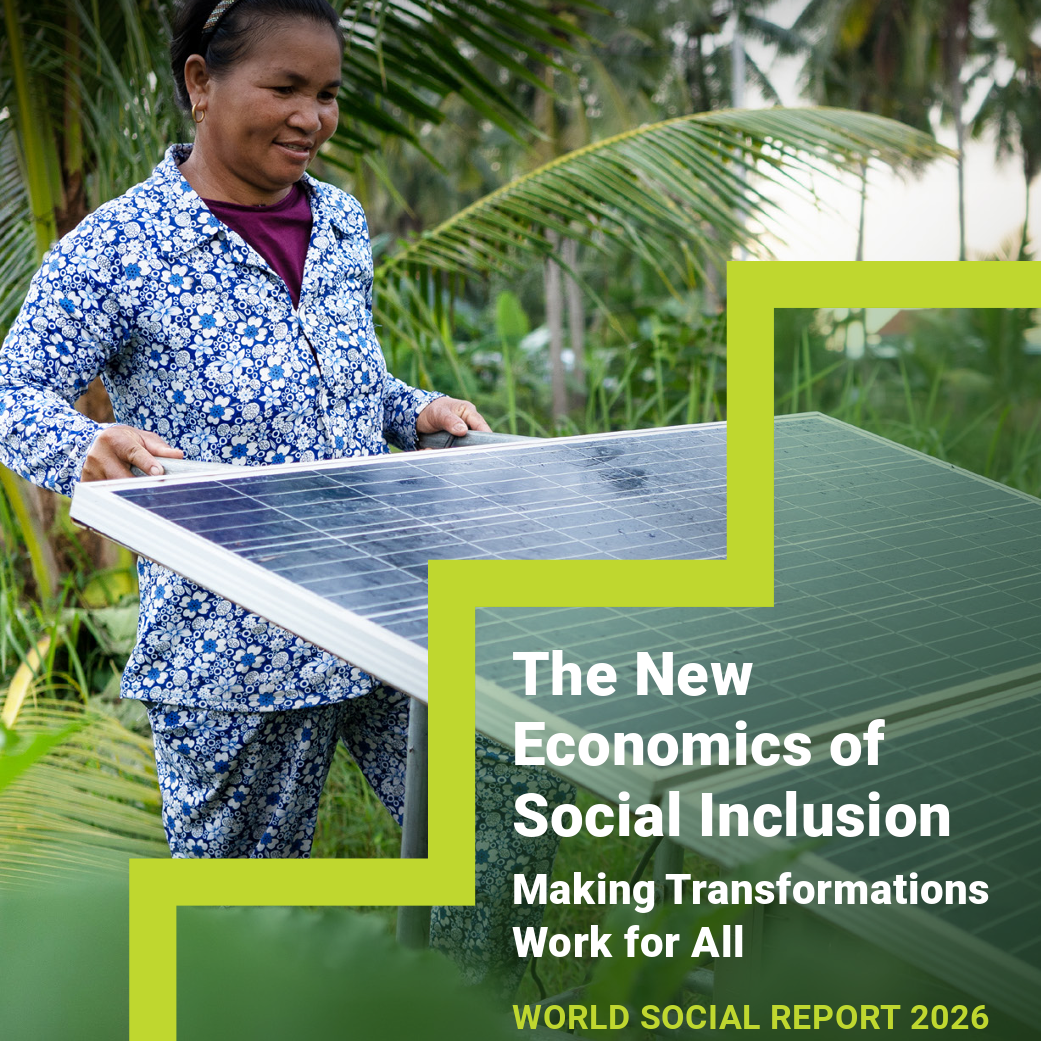
Digital advances and climate pressures are leaving people behind
An estimated 2.2 billion people did not have access to internet connectivity in 2025. Even among people who are connected, affordability, service quality and limited digital skills continue to restrict meaningful participation. Without deliberate action, unequal access to connectivity, devices, data and AI skills could turn today’s digital divide into deeper and more persistent gaps in learning, income and economic opportunity.
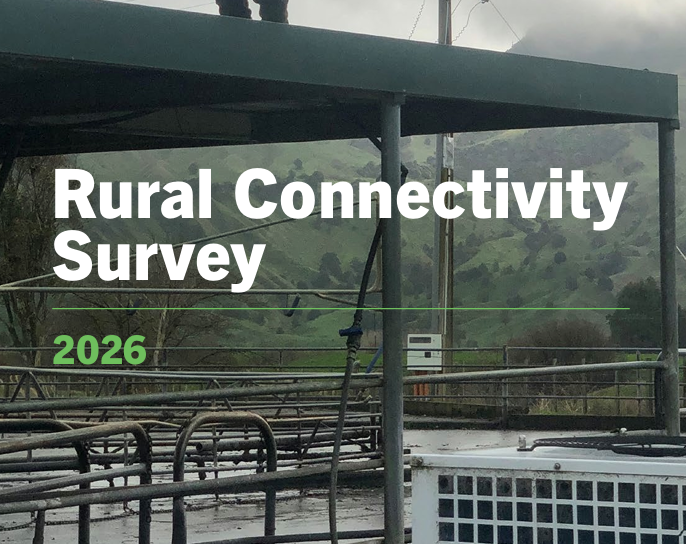
Rural Connectivity Survey
Our Rural Connectivity Survey looks at how well landline, internet and mobile services are holding up for farmers.
It explores the big issues such as the withdrawal of the copper network, mobile coverage on farms and roads, access to alternative solutions, and how the quality of rural connectivity is changing over time.
The survey gives a snapshot of the challenges farmers are facing, and the new options they’re turning to.
Internet Infrastructure Climate Resilience
This document is one of the outputs from the IICR research project. It outlines a set of six key themes for building Internet infrastructure climate resilience and makes suggestions for some key opportunity areas and initial high-impact supporting actions. It is designed to inform and support action being taken, rather than a comprehensive list of activities required. The report was prepared by the IICR research team. It draws on information gathered during the project’s research activities, including input from and expertise of Network members.
From silence to signal: Nigerian women building digital pathways to justice
Over the past years, I have had the privilege of visiting communities and interacting with women across Nigerian states. During my most recent visit, between July and August this year, I toured Bauchi, Abuja, Lagos, Kano, Port Harcourt and Kaduna, where women are rewriting what connectivity means in their lives. Sitting with them in the community ICT hub, under the Trees and Learning Circle, I have seen how access to technology can become more than a technical matter; it can become a bridge to confidence, agency and solidarity.
Cognitive influences in second-hand markets: from perception to purchase in rural smartphone consumption
This study aims to examine how rural consumers make second-hand purchase decisions beyond economic necessity. Using schema theory, we explore how perceived price fairness, product features, product quality and sustainable community influence drive purchase intentions in the rural second-hand smartphone market.
3G Community Impact Report
Digital Equity Coalition Aotearoa (DECA) calls for equity‑led solutions to reduce online harm for young New Zealanders. Our submission to the Online Harm Inquiry highlights the need for affordable access, digital skills, platform accountability and community‑driven safety initiatives.
