

Submission to the Digital Accessibility Standard (DAS) consultation
Submission to the Government Chief Digital Officer (GDDA) Digital Accessibility Standard (DAS) consultation
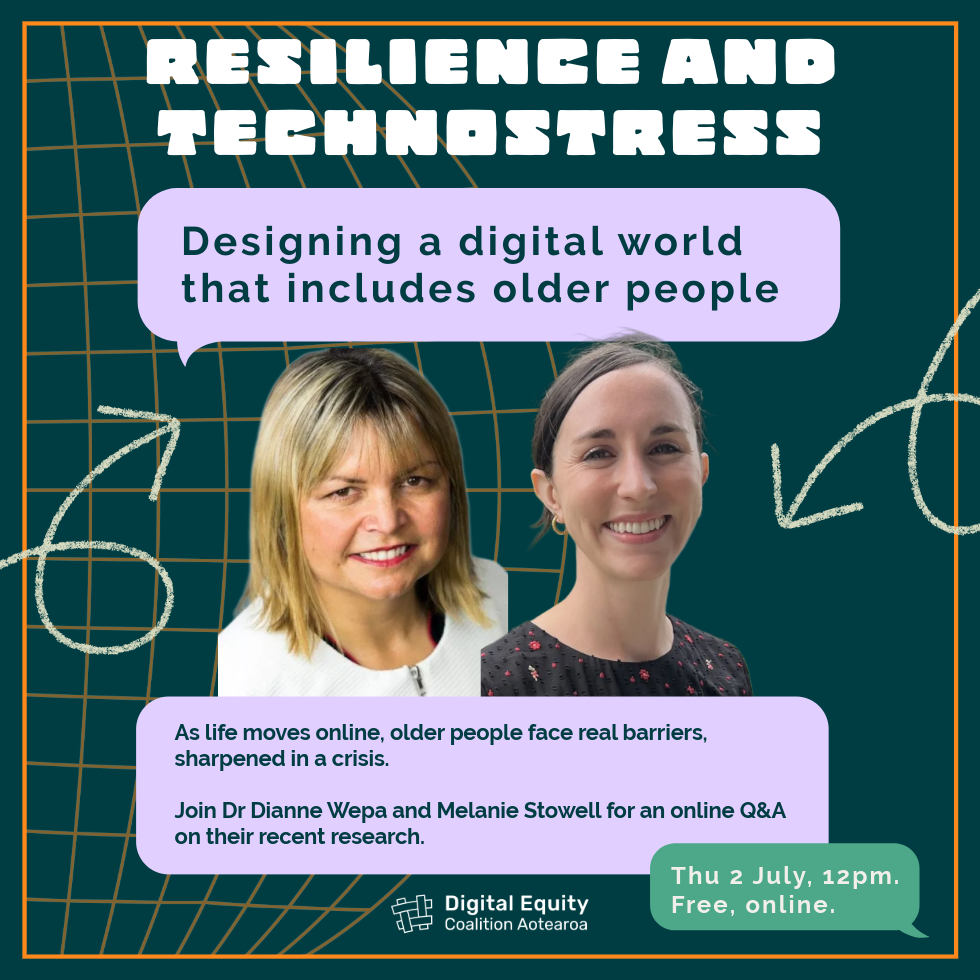
RESILIENCE & TECHNOSTRESS Video
As more of daily life moves through a digital front door, banking, health, government, older people face real barriers, and a crisis sharpens them. This kōrero looks at what the evidence shows about those barriers, who does the work of keeping people connected, and what it would take to design services that include older people rather than leave them to cope. Facilitated by Bronwyn Scott, joined by Dianne Wepa and Melanie Stowell.

From silence to signal: Nigerian women building digital pathways to justice
From silence to connectivity: Nigerian women building digital pathways to justice
Inquiry into Triple Zero Service Outages
ACCAN recently submitted to the Senate Environment and Communications References Committee’s Inquiry into Triple Zero service outages. Australians believe that access to mobile telecommunications is critical for participation in daily life.

Foundations to thrive: Policy briefs for child and family wellbeing
Understanding how events in early life shape an individual’s destiny, in terms of their physical and mental health and their cognitive and emotional development, is at the heart of informing us about our future society. Human flourishing has therefore been a distinct theme of Koi Tū Centre for Informed Futures since it was founded over five years ago.
The World Internet Project in New Zealand (AUT)
This report presents the findings of the ninth iteration of the World Internet Project – New Zealand (WIP-NZ 2025), a nationally representative study that explores the evolving role of the internet and digital technologies in the lives of New Zealanders. The survey was conducted between March and May 2025 and collected responses from over 2,000 internet users. The report examines internet accessibility, artificial intelligence (AI) adoption, attitudes towards digital technologies, and awareness of their broader societal and environmental implications.
Policy, Practice, and Futures A report on the priorities arising from the second Digital Childhoods Summit
This report synthesises discussions from the Digital Childhoods Summit, held in Canberra on 11-12 June. Both the Summit and this report are initiatives of the ARC Centre of Excellence for the Digital Child (Digital Child), aimed at producing agreed priorities and actions for supporting children in the digital world.
Youth Digital Wellbeing - Research Report 2024
As students become increasingly active online, it is essential to help them navigate both the benefits and challenges of digital technology. According to the New Zealand Teens’ Digital Profile: A Factsheet (2018), nearly one-third of teens spend four or more hours online daily, while 38% report two to four hours. Although this data is six years old, feedback from New Zealand primary and intermediate students during discussions with the report's authors suggests that online engagement has likely risen significantly since then.

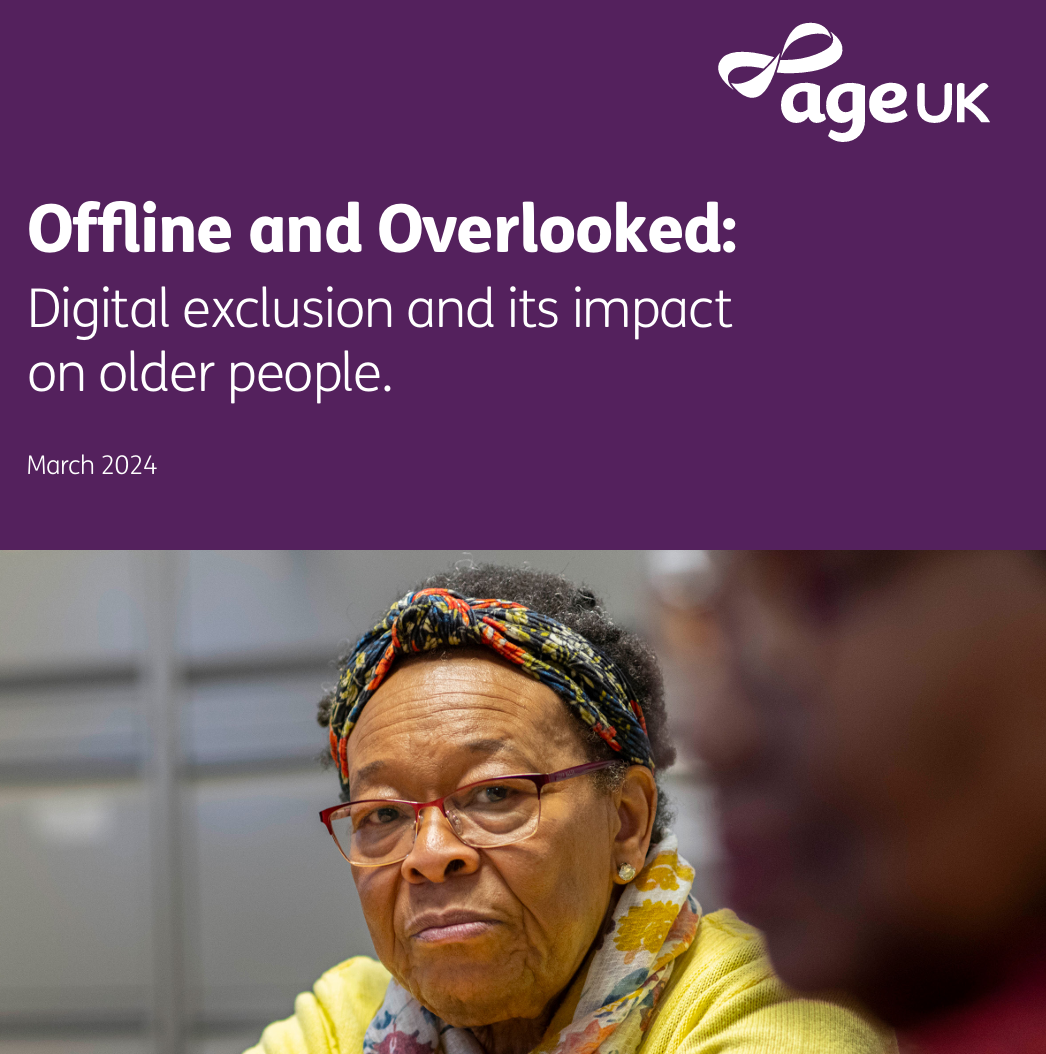
Offline and Overlooked: Digital exclusion and its impact on older people.
In the digital age, everything from accessing services and shopping, to socialising and entertainment is taking place on the internet. So, what happens if you’re not online? You get overlooked and left behind.