
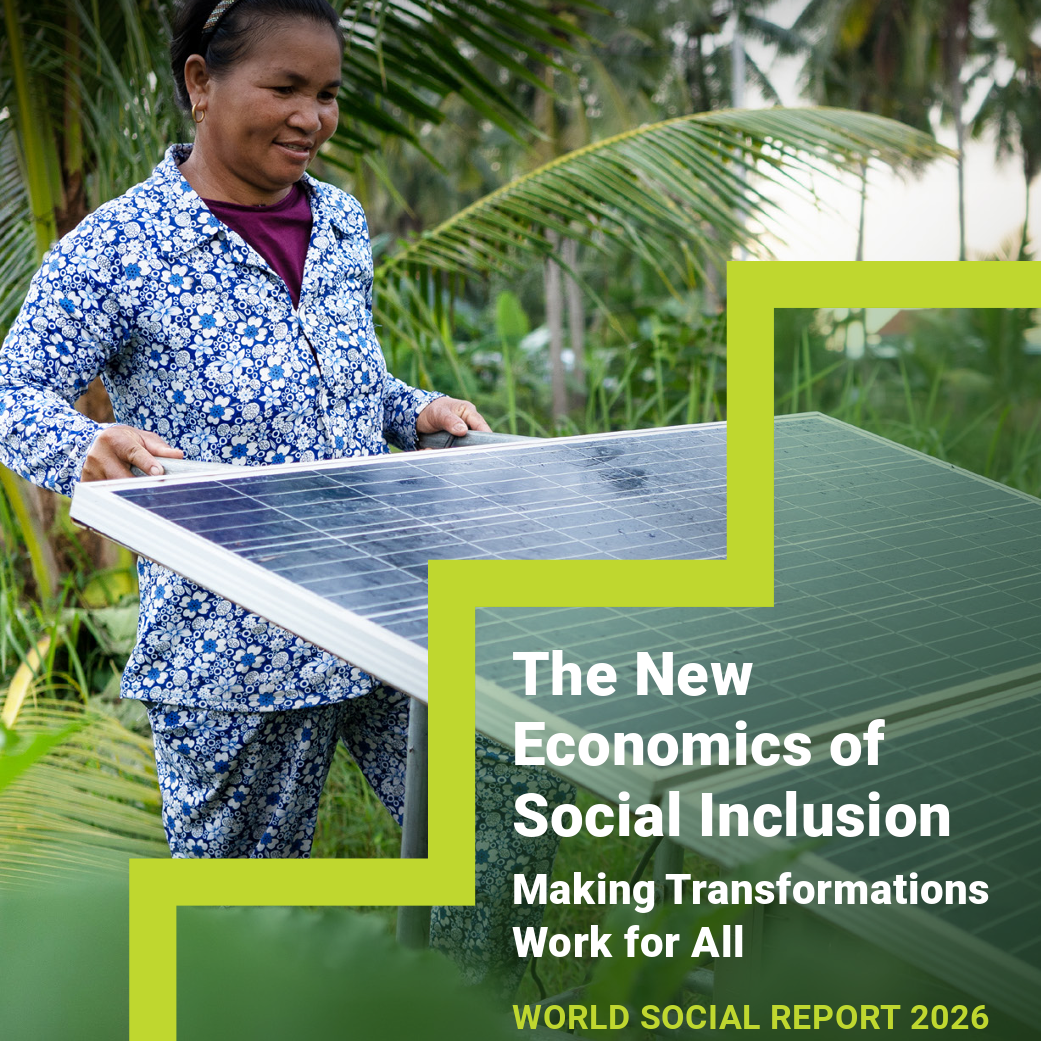
Digital advances and climate pressures are leaving people behind
An estimated 2.2 billion people did not have access to internet connectivity in 2025. Even among people who are connected, affordability, service quality and limited digital skills continue to restrict meaningful participation. Without deliberate action, unequal access to connectivity, devices, data and AI skills could turn today’s digital divide into deeper and more persistent gaps in learning, income and economic opportunity.
Digital Skills in the Age of AI
New Zealand’s digital skills challenge has entered a new phase. What was once described as a ‘leaky pipeline’ is now better understood as a structural national challenge with weak foundations, fragmented pathways and insufficient coordination between education, industry and government. This matters because advanced digital skills are now essential to New Zealand’s productivity, export growth, cyber resilience, AI capability and long-term economic growth. In the age of AI, every sector needs people who can build, secure, govern and improve complex digital systems. The message from this report is clear: AI does not reduce the need for advanced digital skills, it increases it.
Submission to the Digital Accessibility Standard (DAS) consultation
Submission to the Government Chief Digital Officer (GDDA) Digital Accessibility Standard (DAS) consultation
Submission to NZ Transport Agency Waka Kotahi Proposed changes to modernise NZTA services
Submission to NZ Transport Agency Waka Kotahi Proposed changes to modernise NZTA services
Connecting Aotearoa Summit 2026 Report from TUANZ
Ensuring that by 2030 everyone in Aotearoa is connected to the best broadband service that meets their needs: An executive report from this year’s Summit
Promoting digital inclusion for enhanced resident wellbeing: an examination of aged residential care facility websites
Digital inclusion has a positive impact on health and wellbeing through fostering connectivity and access to information. In Aotearoa New Zealand, 4% of older adults live in aged residential care (ARC) facilities and are vulnerable to social isolation. This study explored whether ARC facilities provide opportunities to socially connect online and whether the COVID-19 pandemic affected the provision of these opportunities.
Waitaha Digital Equity Network - Draft Annual Plan 2026/27
Waitaha Digital Equity Network (WDEN) - Draft Annual Plan 2026/27, Hearing of verbal submissions
What will the new Government app mean for you?
The new Government app, and other changes to the way the government will engage with citizens online.
Among changes coming this year, are a new digital wallet, which could include drivers licences, age verification, and in time, other official credentials.
And a secure messaging facility being added to the already launched all of government app.
Behind the scenes, 42 government agencies will be involved in providing their front door services , through these new digital tools.
But what will this mean for the less digitally savvy?
Kathryn speaks to Myles Ward - the Government's deputy chief digital officer.
Barriers to diversity in the Aotearoa tech sector
Tech is a fast-growing and high-value sector in Aotearoa. With increasing workforce demands and competitive salaries, tech has the potential to provide stable, high-paying jobs to an increasingly significant proportion of New Zealand workers if we can capitalise on strong global demand for tech products and services. We know that only 5% of the digital tech workforce is Māori and 4.4% is Pacific, while women make up just 29% of the digital technologies workforce. Workforce participation by tāngata whaikaha is less known; however, we know that limited digital accessibility is a major barrier for people living with disabilities. We know that Māori, Pacific peoples and women are active users of tech, but their low representation in the sector suggests they are largely absent from its development…
Understanding the gap: a balanced multi-perspective approach to defining essential digital health competencies for medical graduates
Rapid technological advancements have left medical graduates potentially underprepared for the digital healthcare environment. Despite the importance of digital health education, consensus on essential primary medical degree content is lacking. Focusing on core competence domains can address critical skills while minimising additions to an already demanding curriculum. This study identifies the minimum essential digital health competency domains from the perspectives of learners, teachers, and content experts aiming to provide a framework for integrating digital health education into medical curricula.