
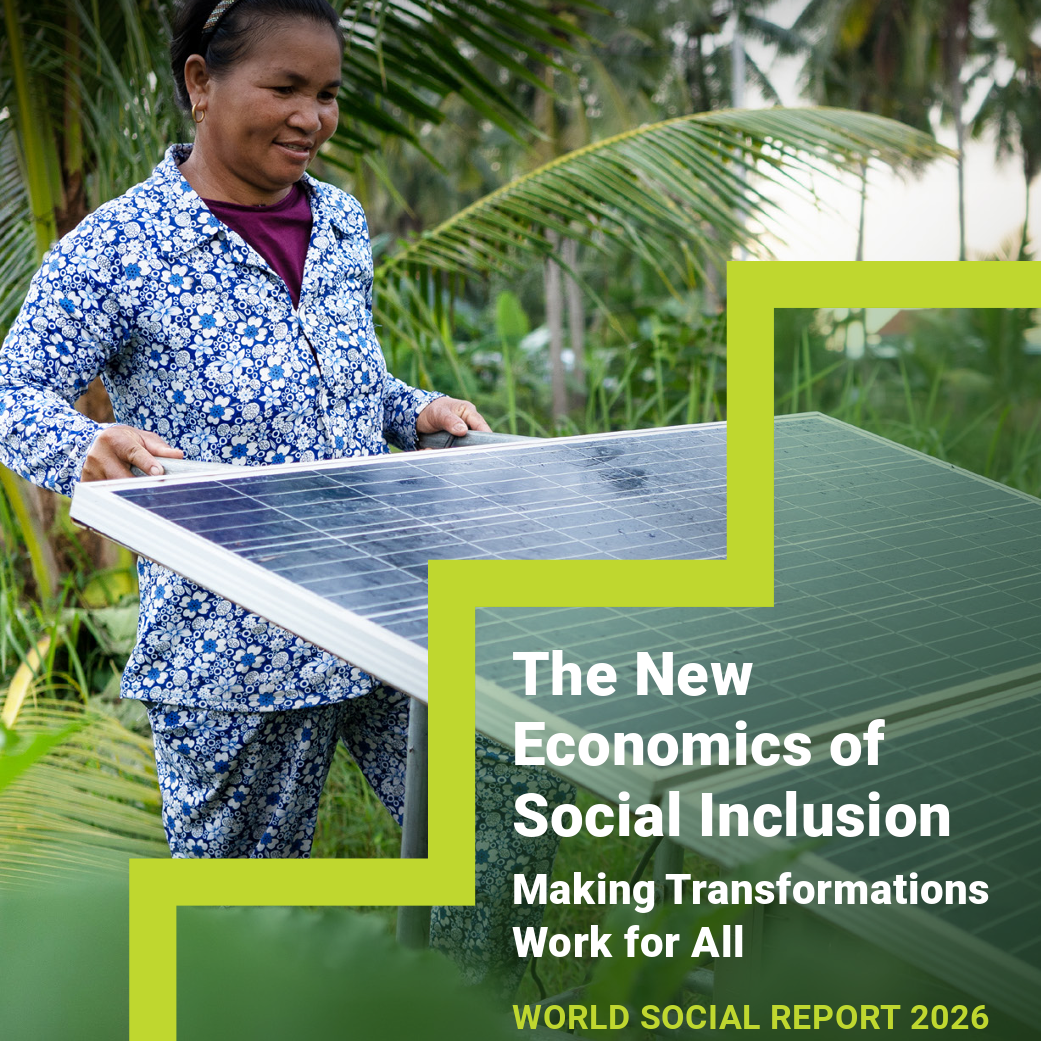
Digital advances and climate pressures are leaving people behind
An estimated 2.2 billion people did not have access to internet connectivity in 2025. Even among people who are connected, affordability, service quality and limited digital skills continue to restrict meaningful participation. Without deliberate action, unequal access to connectivity, devices, data and AI skills could turn today’s digital divide into deeper and more persistent gaps in learning, income and economic opportunity.
New research: Rangatahi say digital connection is essential, but AI is making trust harder
Being connected to the internet is no longer optional for rangatahi, it is an essential part of everyday life, according to new research released by Te Rourou, the charitable foundation of One New Zealand. However cost, unreliable access and growing concerns about online safety and trust continue to create barriers.
Connected Rangatahi: Digital Inclusion in the Age of AI explores what digital inclusion looks like for young people today, drawing directly on the experiences and perspectives of rangatahi, predominantly aged 16–24. The research identifies six interconnected themes shaping digital inclusion in the AI age: cost, physical access, trust, safety, skills and empowerment.
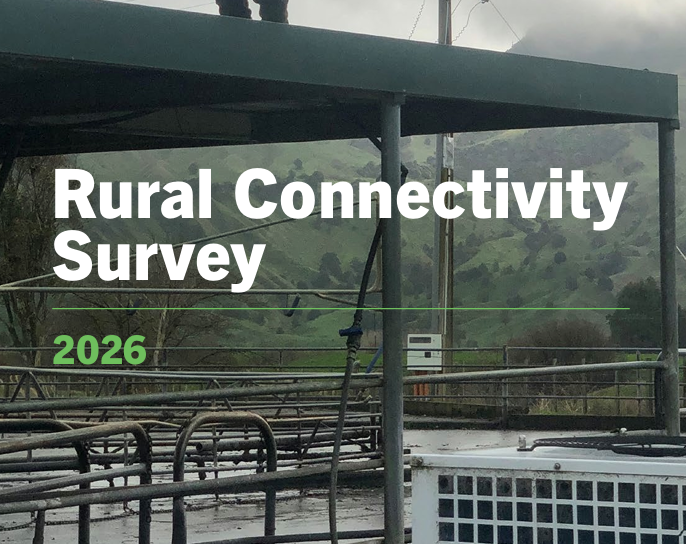
Rural Connectivity Survey
Our Rural Connectivity Survey looks at how well landline, internet and mobile services are holding up for farmers.
It explores the big issues such as the withdrawal of the copper network, mobile coverage on farms and roads, access to alternative solutions, and how the quality of rural connectivity is changing over time.
The survey gives a snapshot of the challenges farmers are facing, and the new options they’re turning to.
Improving Retail Service Quality: Debt Practices Report
Improving Retail Service Quality: Debt Practices Report
Digital Skills in the Age of AI
New Zealand’s digital skills challenge has entered a new phase. What was once described as a ‘leaky pipeline’ is now better understood as a structural national challenge with weak foundations, fragmented pathways and insufficient coordination between education, industry and government. This matters because advanced digital skills are now essential to New Zealand’s productivity, export growth, cyber resilience, AI capability and long-term economic growth. In the age of AI, every sector needs people who can build, secure, govern and improve complex digital systems. The message from this report is clear: AI does not reduce the need for advanced digital skills, it increases it.
Submission to the Digital Accessibility Standard (DAS) consultation
Submission to the Government Chief Digital Officer (GDDA) Digital Accessibility Standard (DAS) consultation
Submission to NZ Transport Agency Waka Kotahi Proposed changes to modernise NZTA services
Submission to NZ Transport Agency Waka Kotahi Proposed changes to modernise NZTA services
Connecting Aotearoa Summit 2026 Report from TUANZ
Ensuring that by 2030 everyone in Aotearoa is connected to the best broadband service that meets their needs: An executive report from this year’s Summit
RESILIENCE & TECHNOSTRESS Video
As more of daily life moves through a digital front door, banking, health, government, older people face real barriers, and a crisis sharpens them. This kōrero looks at what the evidence shows about those barriers, who does the work of keeping people connected, and what it would take to design services that include older people rather than leave them to cope. Facilitated by Bronwyn Scott, joined by Dianne Wepa and Melanie Stowell.